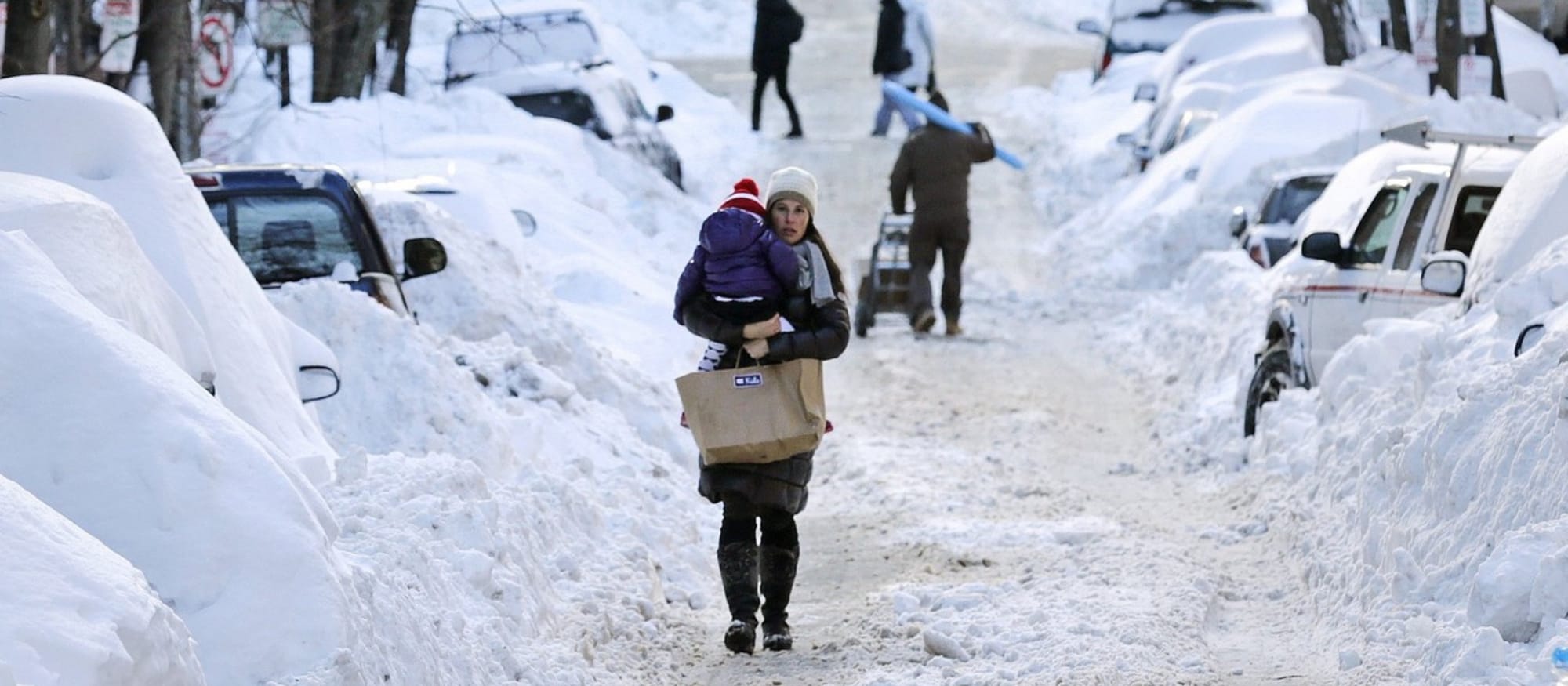



From Connecticut to Massachusetts, Rhode Island to New Hampshire, recent winter weather has reminded us just how powerful and unpredictable Mother Nature can be. A historic winter storm in late January blanketed Southern New England with feet of snow, snarled travel, caused widespread service disruptions, and left communities digging out for days.
Meteorologists are observing patterns that suggest these extreme weather events — from nor’easters and bomb cyclones to extended cold snaps — are becoming more frequent and intense. For New England homeowners, that trend isn’t just a headline — it affects how you protect your home, maintain your energy systems, and prepare your family. Here’s what you need to know and how to be ready.
New England’s Weather Reality Check
Winter in New England has always been serious. But recent storms have pushed even local veterans to say this season feels stronger than average. A major January system dropped well over a foot of snow across parts of Connecticut, Massachusetts, Rhode Island, and New Hampshire, with some locations recording nearly two feet, and disrupted travel, power, and daily life.
These aren’t isolated blips. New England’s storm season is shaped by a unique mix of coastal influences, cold continental air, and shifting Atlantic weather patterns. That means storms can intensify rapidly, producing heavy snow, high winds, coastal flooding, and prolonged cold, which strain both homes and heating systems.
What Extreme Weather Means for Your Home
1. Heating Systems Are Under Strain
When winter storms hit, your heating system becomes essential, not optional. Whether you heat with propane, oil, or another fuel, colder temperatures and heavier loads mean:
- Higher consumption of fuel
- More frequent cycling of appliances
- Increased wear on components
- Greater risk of blocked vents or frozen parts
Propane, in particular, remains one of the most reliable heating fuels in cold climate conditions — consistently delivering high BTU output when you need it most.
But harsh weather also increases the importance of clear air intakes and exhaust lines: snow and drifting can block vents and fresh air intakes, increasing the risk of system malfunctions or even carbon monoxide hazards if exhaust can’t escape properly.
2. Extreme Cold Can Affect Efficiency
Arctic blasts and subzero temperatures aren’t just uncomfortable — they push heating systems to work harder. Lower temperatures increase heat loss through walls and windows, and propane systems must maintain pressure to ensure proper combustion and heat delivery.
That’s why proper insulation, weather-stripping, and home sealing — simple improvements recommended by the EPA — help your system work more efficiently and keep your energy use under control.
3. Power Outages and Backup Heat Matter
Severe winter weather can impact both the electric grid and local infrastructure. Extended outages leave homes without electric heat pumps, well-pumps, or ignition systems — but propane-fueled furnaces, boilers, and generators often continue operating because they don’t depend on the grid in the same way.
This reliability becomes a real advantage during and after winter storms when heating is critical.
Proactive Homeowner Steps for Extreme Weather
Here are ways New England homeowners can prepare for the next storm — and make sure your home and propane system are ready.
✔ Prioritize Heating System Health
Before winter hits:
- Schedule maintenance for your furnace or boiler
- Check propane levels in advance (avoid letting your tank run too low)
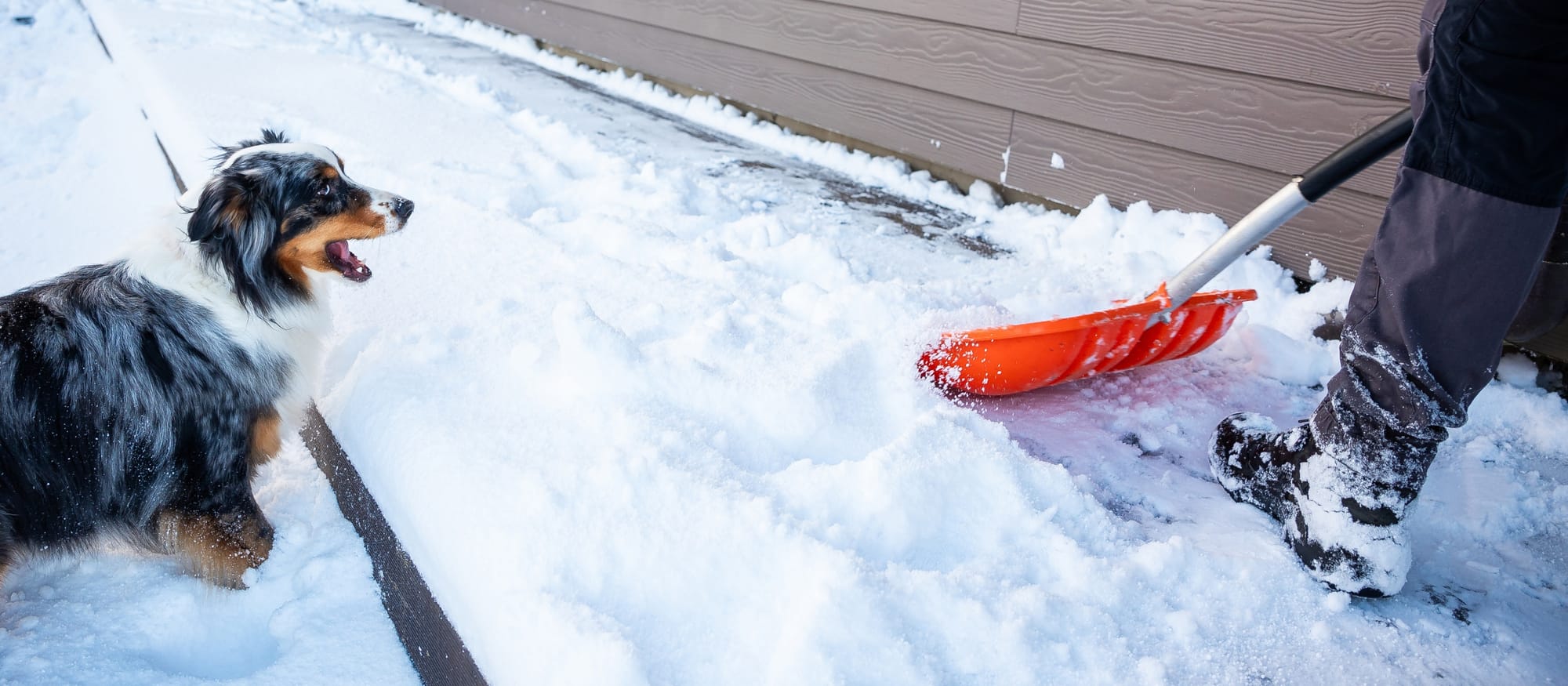
- Clear nearby snow, ice, and debris from vents and exterior components
Blocked vents and buried intake lines are common after big snowfalls — and they’re a real safety hazard if not addressed quickly.
✔ Upgrade Insulation & Weatherproofing
Cold weather isn’t just about snow — it’s about energy loss. Seal drafts around:
- Windows and doors
- Attic hatches
- Basement and crawlspace openings
- Exterior outlets and vents
These simple steps help keep warm air inside and reduce strain on your heating system.
✔ Plan Backup Heat & Power
Storms can interrupt power lines — especially when heavy snow and ice accumulate. Propane-powered generators or secondary heating sources ensure you stay warm even if the grid goes down.
Because propane operates independently from electricity, you can often keep heat, cooking, and essential appliances running even during outages.
Stay Ahead With Smart Propane Management
Extreme weather means one thing for New England homeowners: preparation isn’t optional, it’s essential.
At Tankfarm, we help our customers stay ahead of storms with:
- Real-time propane tank monitoring, so you always know when you need a refill
- Proactive delivery scheduling, especially ahead of winter weather
- Professional safety inspections and system checkups
Whether you’re in Connecticut, Massachusetts, Rhode Island or New Hampshire, understanding how changing weather affects your home puts you in control of your comfort, safety, and energy use.
Final Thought: Weather Is Changing — So Should Your Plan
Extreme weather may be becoming more frequent, but preparedness gives you the confidence to face it head-on. From deep snowstorms to bone-chilling cold, the right planning keeps your home safe, warm, and resilient.
If you’re ready to ensure your propane system is storm-ready and reliable, contact Tankfarm for a system review and winter readiness plan tailored to New England homeowners.
Warmth, safety, and peace of mind — that’s what preparedness delivers.